
Here is your article with “How to Eat” properly used as subheadings so it looks clean and structured (good for blog, Word document, or LinkedIn article).
How to Eat: A Simple Guide to Healthy, Mindful, and Balanced Eating
Eating is something we do every day, often without thinking much about it. But how we eat is just as important as what we eat. Good eating habits don’t mean strict diets or giving up your favorite foods. Instead, they focus on balance, awareness, and consistency. Learning how to eat properly can improve your energy levels, digestion, mental clarity, and overall health.
In this guide, we’ll break down how to eat in a simple and practical way, covering mindset, portion control, meal timing, food choices, and mindful eating.
How to Eat: Understand the Purpose of Eating
Eating is not just about satisfying hunger or cravings. The primary purpose of eating is to fuel your body. Food provides energy, supports growth and repair, strengthens immunity, and keeps your brain functioning properly.
When you start viewing food as fuel rather than just pleasure, your eating choices naturally improve. This doesn’t mean you can’t enjoy food—enjoyment is important—but nourishment should come first.
How to Eat: Eat When You’re Hungry, Not When You’re Bored
One of the most common unhealthy habits is eating out of boredom, stress, or habit rather than hunger. Emotional eating often leads to overeating and poor food choices.
Before eating, ask yourself:
- Am I physically hungry?
- Or am I bored, stressed, or tired?
If it’s not hunger, try alternatives like drinking water, going for a short walk, or doing something engaging. Learning to recognize true hunger cues is a key step in healthy eating.
How to Eat: Focus on Balanced Meals
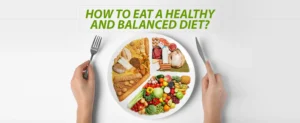
A balanced meal includes a mix of macronutrients and micronutrients. Ideally, your plate should include:
- Carbohydrates: Provide energy (rice, roti, oats, fruits, vegetables)
- Proteins: Help with muscle repair and satiety (dal, eggs, paneer, chicken, fish, tofu)
- Healthy fats: Support brain and hormone health (nuts, seeds, ghee, olive oil)
- Fiber: Aids digestion (vegetables, fruits, whole grains)
You don’t need to calculate every gram—just aim for variety and balance.
How to Eat: Control Portions Without Obsessing
Eating healthy foods in excessive quantities can still lead to weight gain and discomfort. Portion control is about listening to your body, not starving yourself.
Simple portion tips:
- Eat slowly and stop when you feel comfortably full
- Use smaller plates to avoid overeating
- Avoid eating directly from packets
- Pay attention to hunger and fullness signals
Remember, it’s okay to eat more on some days and less on others.
How to Eat: Eat Slowly and Mindfully
Mindful eating is one of the most powerful yet underrated habits. When you eat slowly, your brain has time to register fullness, which prevents overeating.
Practice mindful eating by:
- Avoiding screens while eating
- Chewing food properly
- Not rushing meals
- Focusing on taste, texture, and aroma
This simple habit improves digestion and helps you enjoy food more.
How to Eat: Maintain Regular Meal Timings
Eating at irregular times can disrupt digestion and energy levels. While rigid schedules aren’t necessary, consistency helps your body function better.
General guidelines:
- Don’t skip meals frequently
- Eat breakfast within 1–2 hours of waking
- Space meals 3–4 hours apart
- Avoid very heavy meals late at night
Regular meal timings support metabolism and reduce unnecessary snacking.
How to Eat: Choose Whole Foods Over Processed Foods
Whole foods are foods that are close to their natural form. Processed foods often contain excess sugar, salt, unhealthy fats, and additives.
Try to:
- Eat more fruits and vegetables
- Choose whole grains over refined grains
- Limit packaged snacks and sugary drinks
- Read food labels when buying packaged foods
You don’t need to eliminate processed foods completely—moderation is key.
How to Eat: Stay Hydrated While Eating Right
Sometimes, thirst is mistaken for hunger. Drinking enough water is essential for digestion, nutrient absorption, and appetite control.
Hydration tips:
- Drink water throughout the day
- Avoid excessive sugary drinks
- Limit alcohol and carbonated beverages
- Drink a glass of water before meals if needed
Proper hydration supports healthy eating habits.
How to Eat: Don’t Label Foods as “Good” or “Bad”
Labeling foods as “good” or “bad” often leads to guilt and unhealthy relationships with food. Instead, think in terms of “everyday foods” and “sometimes foods.”
- Everyday foods: fruits, vegetables, grains, proteins
- Sometimes foods: sweets, fast food, desserts
Enjoy your favorite foods occasionally without guilt. A healthy diet is about overall patterns, not perfection.
How to Eat: Listen to Your Body
Your body is the best guide when it comes to eating. Everyone’s nutritional needs are different based on age, activity level, lifestyle, and health conditions.
Pay attention to:
- How foods make you feel
- Energy levels after meals
- Digestion and comfort
- Hunger and fullness signals
Adjust your eating habits based on what works best for you.
How to Eat: Build Sustainable Eating Habits
The best way to eat is the way you can maintain long-term. Crash diets and extreme restrictions usually fail because they are not sustainable.
To build lasting habits:
- Make small changes gradually
- Focus on progress, not perfection
- Be patient with yourself
- Allow flexibility in your diet
Healthy eating is a lifestyle, not a short-term goal.
Conclusion
Learning how to eat properly doesn’t require complicated rules or strict diets. It’s about awareness, balance, and consistency. By eating when you’re hungry, choosing balanced meals, practicing mindful eating, and listening to your body, you can build a healthy relationship with food.
Remember, eating well is not about control—it’s about care. When you treat food as both nourishment and enjoyment, healthy habits become natural and sustainable.
If you want, I can also:
- Turn this into a 1200–1500 word SEO blog article
- Add SEO keywords for Google ranking
- Create a WordPress-ready blog format
- Here is your article with “How to Eat” properly used as subheadings so it looks clean and structured (good for blog, Word document, or LinkedIn article).
How to Eat: A Simple Guide to Healthy, Mindful, and Balanced Eating
Eating is something we do every day, often without thinking much about it. But how we eat is just as important as what we eat. Good eating habits don’t mean strict diets or giving up your favorite foods. Instead, they focus on balance, awareness, and consistency. Learning how to eat properly can improve your energy levels, digestion, mental clarity, and overall health.
In this guide, we’ll break down how to eat in a simple and practical way, covering mindset, portion control, meal timing, food choices, and mindful eating.
How to Eat: Understand the Purpose of Eating
Eating is not just about satisfying hunger or cravings. The primary purpose of eating is to fuel your body. Food provides energy, supports growth and repair, strengthens immunity, and keeps your brain functioning properly.
When you start viewing food as fuel rather than just pleasure, your eating choices naturally improve. This doesn’t mean you can’t enjoy food—enjoyment is important—but nourishment should come first.
How to Eat: Eat When You’re Hungry, Not When You’re Bored
One of the most common unhealthy habits is eating out of boredom, stress, or habit rather than hunger. Emotional eating often leads to overeating and poor food choices.
Before eating, ask yourself:
- Am I physically hungry?
- Or am I bored, stressed, or tired?
If it’s not hunger, try alternatives like drinking water, going for a short walk, or doing something engaging. Learning to recognize true hunger cues is a key step in healthy eating.
How to Eat: Focus on Balanced Meals
A balanced meal includes a mix of macronutrients and micronutrients. Ideally, your plate should include:
- Carbohydrates: Provide energy (rice, roti, oats, fruits, vegetables)
- Proteins: Help with muscle repair and satiety (dal, eggs, paneer, chicken, fish, tofu)
- Healthy fats: Support brain and hormone health (nuts, seeds, ghee, olive oil)
- Fiber: Aids digestion (vegetables, fruits, whole grains)
You don’t need to calculate every gram—just aim for variety and balance.
How to Eat: Control Portions Without Obsessing
Eating healthy foods in excessive quantities can still lead to weight gain and discomfort. Portion control is about listening to your body, not starving yourself.
Simple portion tips:
- Eat slowly and stop when you feel comfortably full
- Use smaller plates to avoid overeating
- Avoid eating directly from packets
- Pay attention to hunger and fullness signals
Remember, it’s okay to eat more on some days and less on others.
How to Eat: Eat Slowly and Mindfully
Mindful eating is one of the most powerful yet underrated habits. When you eat slowly, your brain has time to register fullness, which prevents overeating.
Practice mindful eating by:
- Avoiding screens while eating
- Chewing food properly
- Not rushing meals
- Focusing on taste, texture, and aroma
This simple habit improves digestion and helps you enjoy food more.
How to Eat: Maintain Regular Meal Timings
Eating at irregular times can disrupt digestion and energy levels. While rigid schedules aren’t necessary, consistency helps your body function better.
General guidelines:
- Don’t skip meals frequently
- Eat breakfast within 1–2 hours of waking
- Space meals 3–4 hours apart
- Avoid very heavy meals late at night
Regular meal timings support metabolism and reduce unnecessary snacking.
How to Eat: Choose Whole Foods Over Processed Foods
Whole foods are foods that are close to their natural form. Processed foods often contain excess sugar, salt, unhealthy fats, and additives.
Try to:
- Eat more fruits and vegetables
- Choose whole grains over refined grains
- Limit packaged snacks and sugary drinks
- Read food labels when buying packaged foods
You don’t need to eliminate processed foods completely—moderation is key.
How to Eat: Stay Hydrated While Eating Right
Sometimes, thirst is mistaken for hunger. Drinking enough water is essential for digestion, nutrient absorption, and appetite control.
Hydration tips:
- Drink water throughout the day
- Avoid excessive sugary drinks
- Limit alcohol and carbonated beverages
- Drink a glass of water before meals if needed
Proper hydration supports healthy eating habits.
How to Eat: Don’t Label Foods as “Good” or “Bad”
Labeling foods as “good” or “bad” often leads to guilt and unhealthy relationships with food. Instead, think in terms of “everyday foods” and “sometimes foods.”
- Everyday foods: fruits, vegetables, grains, proteins
- Sometimes foods: sweets, fast food, desserts
Enjoy your favorite foods occasionally without guilt. A healthy diet is about overall patterns, not perfection.
How to Eat: Listen to Your Body
Your body is the best guide when it comes to eating. Everyone’s nutritional needs are different based on age, activity level, lifestyle, and health conditions.
Pay attention to:
- How foods make you feel
- Energy levels after meals
- Digestion and comfort
- Hunger and fullness signals
Adjust your eating habits based on what works best for you.
How to Eat: Build Sustainable Eating Habits
The best way to eat is the way you can maintain long-term. Crash diets and extreme restrictions usually fail because they are not sustainable.
To build lasting habits:
- Make small changes gradually
- Focus on progress, not perfection
- Be patient with yourself
- Allow flexibility in your diet
Healthy eating is a lifestyle, not a short-term goal.
Conclusion
Learning how to eat properly doesn’t require complicated rules or strict diets. It’s about awareness, balance, and consistency. By eating when you’re hungry, choosing balanced meals, practicing mindful eating, and listening to your body, you can build a healthy relationship with food.
Remember, eating well is not about control—it’s about care. When you treat food as both nourishment and enjoyment, healthy habits become natural and sustainable.
If you want, I can also:
- Turn this into a 1200–1500 word SEO blog article
- Add SEO keywords for Google ranking
- Create a WordPress-ready blog format